Padel (often called padel tennis in the UK) is a racket sport played in pairs on a small, enclosed court. It looks a bit like tennis, but the glass walls around the court are part of the game, the serve is underarm and the racket is solid with no strings. It is quick to learn, very social and one of the fastest-growing sports in Britain.
Where padel came from
Padel was invented in 1969 by Enrique Corcuera, who built the first court at his holiday home in Acapulco, Mexico. The sport spread to Spain and Argentina in the 1970s, and Spain is still its heartland today. The first courts in Britain appeared in the 1990s, but padel only really took off after the LTA became its governing body here in 2020.
How big is it in the UK?
According to the LTA, 1.5 million people now play padel in Britain, up from around 15,000 in 2019. There are 2,445 padel courts at 682 venues across the country, and new clubs open every month.
Source: LTA, October 2026
The court
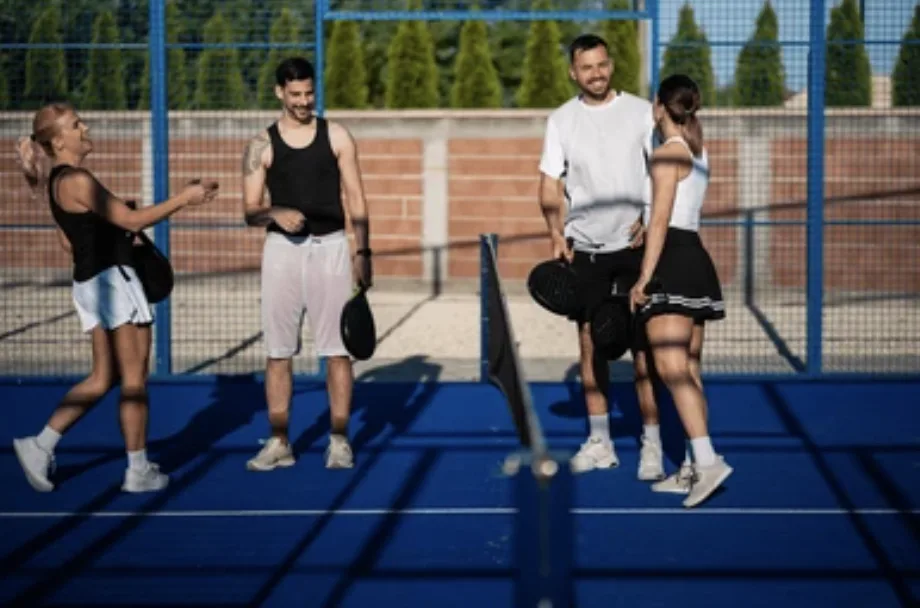
A padel court is 20 metres long and 10 metres wide, about a quarter smaller than a tennis court. It is surrounded by glass walls at each end and a mix of glass and mesh along the sides. The net is 88cm high in the middle, rising to 92cm at the posts. Most UK courts have an artificial grass surface with a little sand on top.
Courts are either indoor, covered (a roof with open sides) or outdoor. Indoor and covered courts let you play all year round, which matters with British weather.
The racket and ball
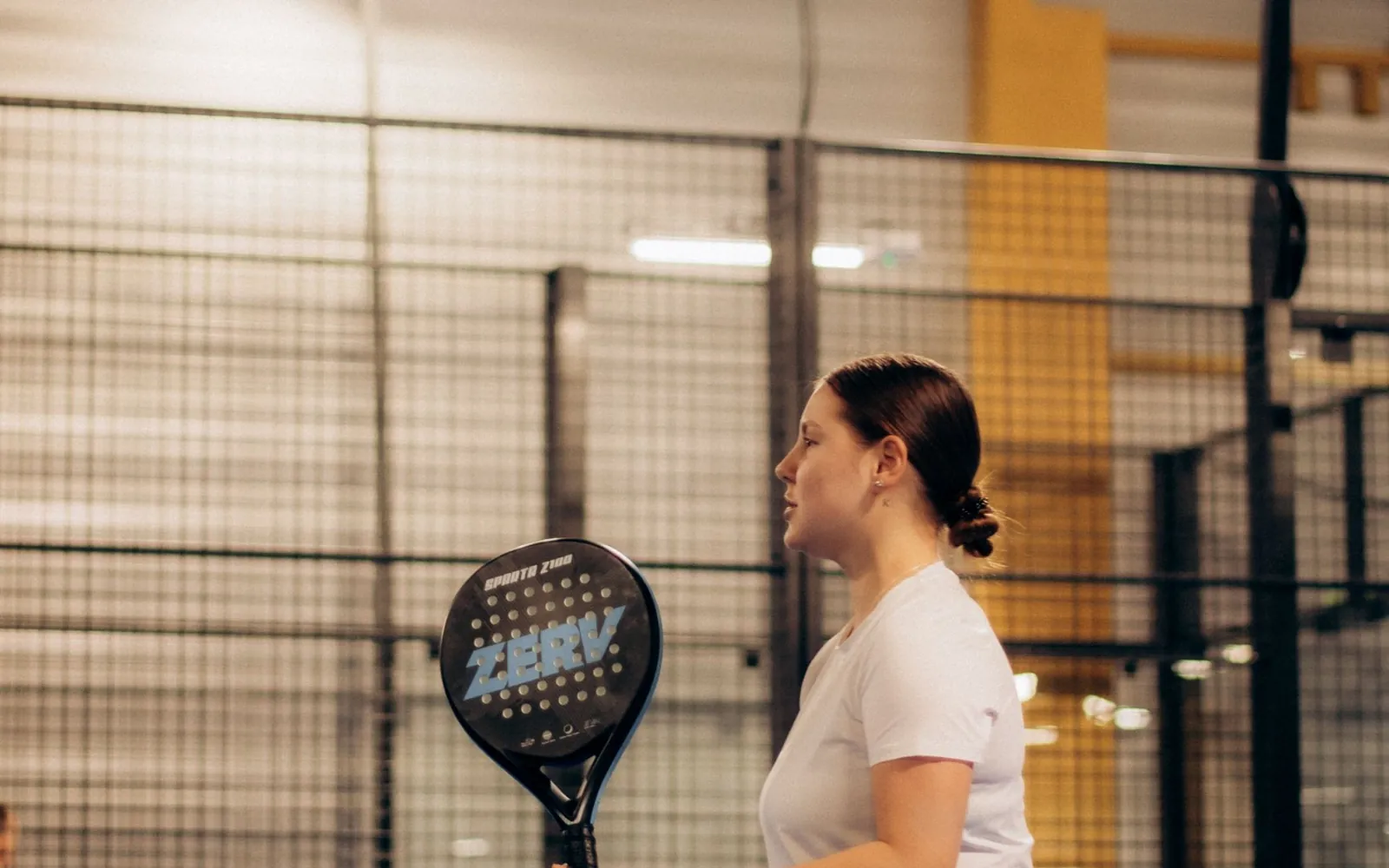
Padel rackets are solid, with a foam core and holes through the face. They are shorter than tennis rackets and have a wrist strap. The ball looks like a tennis ball but has less pressure, so it bounces lower and slower, which suits the enclosed court.
How a point works
- Padel is almost always played as doubles: two against two.
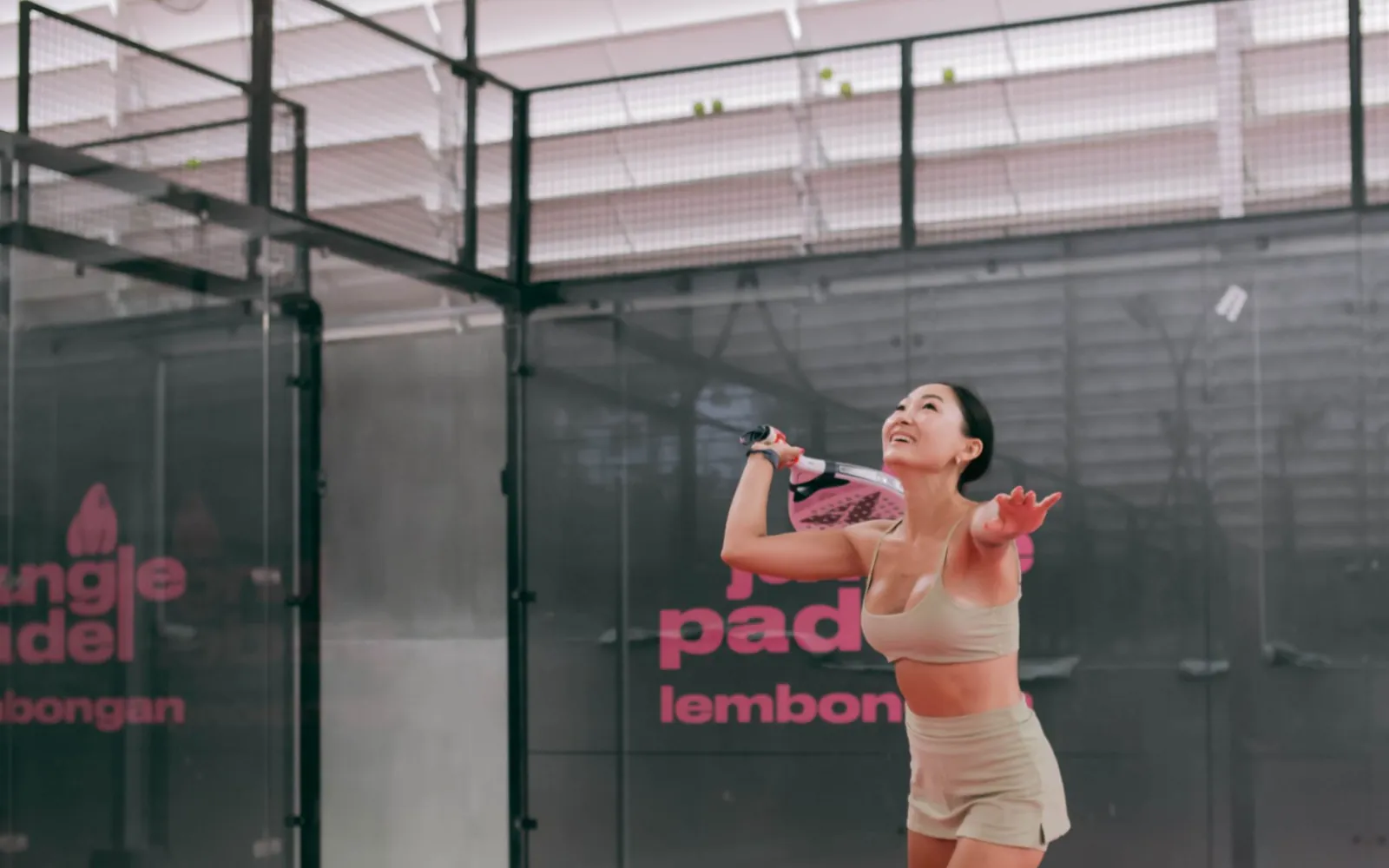
- You serve underarm, bouncing the ball first and hitting it at or below waist height, diagonally into your opponents’ service box.
- The ball must bounce once on the ground before it can hit a wall. After that, you can play it off the glass, just like squash.
- You can hit the ball against your own walls to send it back, as long as it then goes over the net.
- Scoring is the same as tennis: 15, 30, 40, game.
Why people love it
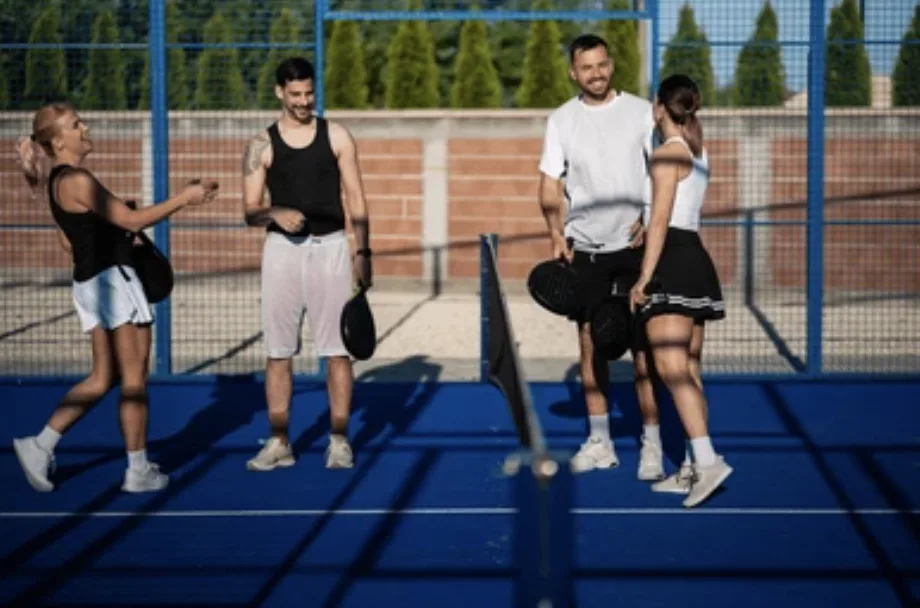
Padel is easy to pick up. Because the court is small and the walls keep the ball in play, beginners can have proper rallies in their first session. It is also very social. You always play with three other people, games last an hour or 90 minutes and most clubs have a café or bar.
How to try it
You don’t need any kit to start. Most clubs hire rackets for a few pounds and provide balls. Book a court with three friends, or join a beginner session or social at your local club. Use our search to find a padel court near you.
Padel vs tennis, squash and pickleball
Padel borrows from several sports, which is why it is often described as a mix of tennis and squash. The scoring comes from tennis, the walls feel a little like squash, and the solid racket is closer to a beach tennis bat. It is also often confused with pickleball, which is a different game played on a small open court with a plastic ball.
We have compared them in detail: padel vs tennis, padel vs squash and padel vs pickleball.
Is padel good exercise?
Yes. A typical hour of padel involves constant short sprints, lunges, turns and overhead shots, so it works your legs, core and shoulders and gets your heart rate up, without the long runs of singles tennis. Because it is played in doubles on a smaller court, people of different ages and fitness levels can play together, which makes it easier to keep going week after week.
Where to play padel in the UK
We list more than 870 padel clubs across the UK, from big indoor centres with 10 or more courts to a single court at a local tennis club. London has the most, with 87 clubs, followed by Birmingham, Glasgow, Bristol and Belfast. Use our list of every UK padel club, or browse London, Manchester, Birmingham and Glasgow.
What you need for your first game
- Three other people, or join a beginner session or open match. See how to find people to play with.
- A racket: almost every club hires them for a few pounds.
- Balls: some clubs include them; otherwise a tube of three costs about £5 to £8.
- Trainers with good grip and comfortable sports clothes. See what to wear for padel.
- A booking: most clubs use Playtomic or their own booking page.
Questions people ask
Is padel hard to learn?
No. Most people can rally in their first session. The underarm serve and small court make it much easier to start than tennis.
Do you need four people to play padel?
Usually, yes. Padel is a doubles game. Some clubs have narrower singles courts, and many run socials where you can join as one player.
Is padel the same as pickleball?
No. Pickleball is played on an open court with a paddle and a plastic ball. Padel is played on an enclosed court where the walls are in play.
Why is it called padel?
The name comes from Spanish “pádel”. The game was invented in Mexico in 1969 and became hugely popular in Spain and Argentina before arriving in the UK.
Is padel the same as paddle tennis?
No. Padel is the glass-walled doubles game played across the UK and Spain. Paddle tennis, or platform tennis, is a separate North American sport.
How long is a game of padel?
Most people book a court for 60 or 90 minutes. A best-of-three-sets match usually takes 60 to 90 minutes.